Overview Of snorkeling At St. Andrews State Park
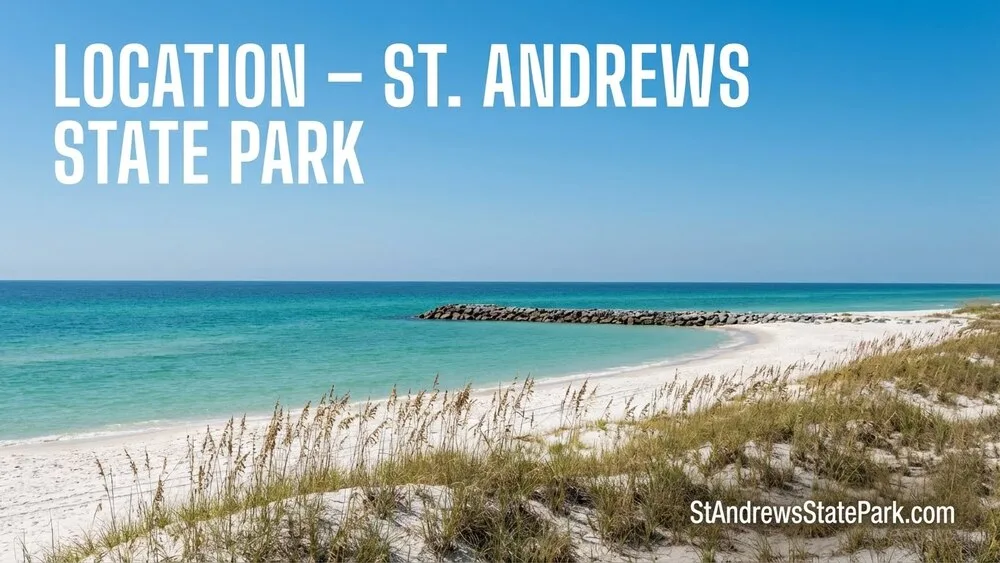
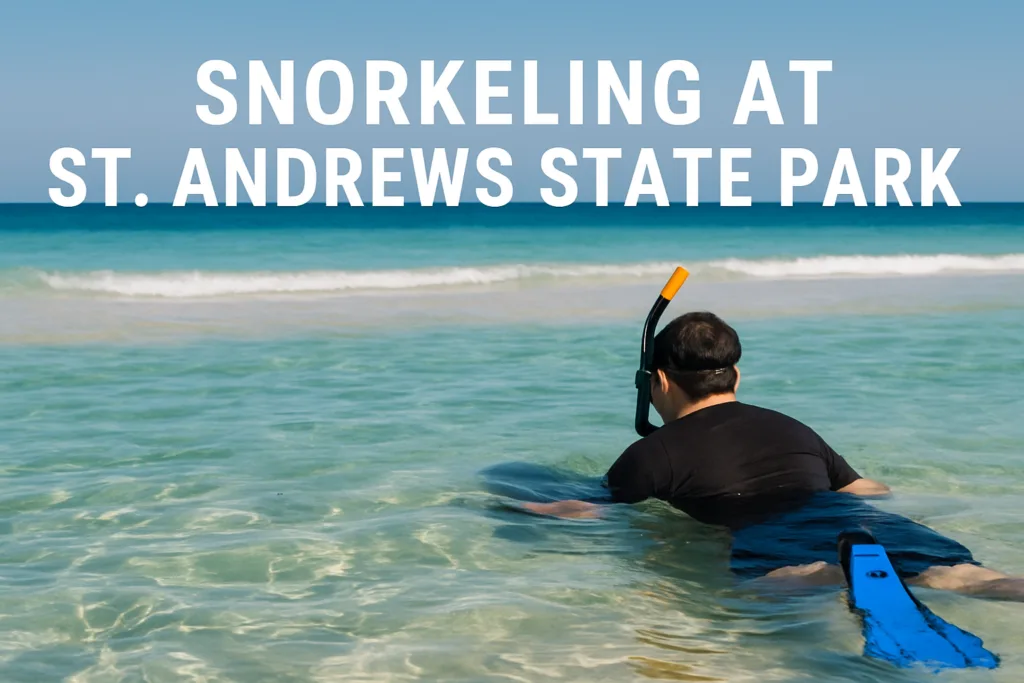
Snorkeling at St. Andrews State Park means slipping into emerald-green water, floating above bright white sand and rocky jetties that feel like a natural aquarium. The park sits on the edge of the Gulf of Mexico in Panama City Beach, Florida, and its jetties create a mix of calm lagoon water and gentle Gulf surf that suits both beginners and more experienced snorkelers. Wondering where to go, what you’ll see, and how to stay safe while still having fun? This guide walks you through it step by step, without wasting a minute of your beach time.
Quick Snapshot: St. Andrews offers a sheltered lagoon nicknamed the “kiddie pool”, easy shore entry, good visibility on many days, restrooms and showers near the beach, and access to deeper water along the rock jetties. For many visitors it feels like snorkeling on a reef without needing a boat trip.
Snorkeling Areas
| Area | Approximate Depth | Typical Conditions | Best For |
|---|---|---|---|
| jetty Lagoon (“Kiddie Pool”) | 1–3 m / 3–10 ft | Very calm, sandy bottom, scattered rocks, usually gentle current | Beginners, kids, relaxed floating and fish watching |
| Gulf Side Of The Jetties | 2–6 m / 6–20 ft near shore | Slight waves, more surge, clearer water on calm days | Confident swimmers, people wanting a more dynamic snorkel |
| Channel & Pass Edges | Deeper drop-off beyond lagoon | Stronger tidal currents, boat traffic nearby | Very experienced swimmers who stay well inside designated areas |
| Shell Island Shoreline | 1–4 m / 3–13 ft | Varies with wind; often clear, bright water with sand and seagrass | Day trips, exploring a quieter barrier island |
Best Snorkeling Areas
Jetty Lagoon “Kiddie Pool”
This sheltered area on the landward side of the jetties is where many people fall in love with snorkeling at St. Andrews. The water is usually shallow and calm, with a soft quartz-sand bottom and pockets of rock where small fish gather. It feels a bit like a giant saltwater swimming pool, only the “tiles” are shells and the neighbors are sergeant majors and tiny damselfish.
Because the lagoon stays relatively protected from waves, it’s a smart place to start with kids or first-time snorkelers. You can stand in knee-to-waist-deep water, help everyone adjust their masks, and then gently float out a little deeper. Just remember that the rocks also attract anglers, so keep an eye out for fishing lines and hooks and give them plenty of room.
- Perfect for: families, cautious swimmers, anyone who prefers easy entry
- Look for: small reef fish around the rocks, schools of baitfish, occasional crabs and shrimp
- Bonus: short walk from parking, with restrooms and showers nearby
Gulf Side Of The Jetties
Step around to the Gulf side and the mood changes. On calm days, the water here can be clear and bright, rolling gently over the sand and rocks. You’ll feel more surge and movement than in the lagoon, which makes this side better for confident swimmers who don’t mind a little wave energy. On days with bigger surf it’s smart to stay shallow or simply enjoy the beach instead of snorkeling.
Along the rocks you may spot sheepshead, spadefish, flounder and sometimes rays gliding across the sand like shadows with wings. Because visibility can change with wind and tide, many locals like to go when winds are lighter and the water looks emerald rather than murky. If the waves look rough from the shore, don’t talk yourself into it; the lagoon usually offers a much nicer session on those days.
- Ideal for: stronger swimmers who are already comfortable in the lagoon
- Check: beach warning flags and surf before committing to snorkel
- Avoid: getting too close to the pass where currents strengthen
Channel And Pass Edges
Closer to the entrance of the channel, the bottom drops off and tidal currents pick up. The water can look tempting, especially when boats glide by over deep green water, but this is a place for extra caution. Treat it as a spot to look down from the safe side of the jetties rather than somewhere to push your limits.
If you stay well inside the designated swimming areas, you can still enjoy the view into deeper water and sometimes see bigger fish moving through the channel. The rule of thumb here is simple: if the current feels like it is pulling you instead of gently nudging you, it’s time to head back toward the lagoon.
Shell Island Shoreline
Many visitors pair a day at St. Andrews State Park with a short ferry ride to nearby Shell Island. Along parts of the island’s shoreline you’ll find clear, shallow water, patches of seagrass and scattered shells that hide small fish, sand dollars and other creatures. It feels quieter and more remote, almost like stepping into a different world even though you’re still close to the mainland.
Because you’re farther from the main facilities, bring what you need: water, snacks, sun protection and your snorkel kit. Watch the time so you don’t miss the return boat, and keep an eye on the sky; a calm blue morning can turn breezy by afternoon, which can stir up the water and make snorkeling less comfortable.
When To Snorkel And Typical Conditions
St. Andrews is open year-round, but many experienced visitors love late spring and early fall. Air temperatures are warm, the Gulf water feels comfortable, and the crowds are usually lighter than in mid-summer. In the peak of summer you get very warm water and long beach days, but also more people and parking competition. Winter can bring cooler water and breezier conditions, yet you may enjoy remarkably clear, quiet days when everything lines up.
Tides and wind shape your snorkel session more than the calendar. Light winds and an incoming or high tide often give the best combination of clarity and calm, especially around the lagoon. Late summer sometimes brings more jellyfish, particularly after high tide, so move slowly, keep your eyes open, and give any jellies you see generous space instead of rushing through them.
Marine Life You May See
The jetties at St. Andrews act like a rocky reef, turning a sandy shoreline into a habitat where marine life can hide, graze and hunt. Even close to shore you might drift above colorful reef fish, watch crabs scuttle between stones, or spot schools of silvery baitfish flickering like liquid confetti in the sun.
Fish and other creatures never follow a script, but commonly reported sightings here include:
- Reef fish: sergeant majors, damselfish, wrasse, butterflyfish and angelfish around the rocks
- Inshore species: sheepshead, redfish, flounder and spadefish browsing near pilings and boulders
- Bottom dwellers: gobies, blennies and small crabs hiding in crevices
- Larger visitors: rays, bigger game fish and the occasional sea turtle cruising by in deeper water
- Seasonal life: more jellyfish in parts of late summer, plus drifting plankton and larvae that feed the whole system
Give everything you see plenty of personal space. It’s tempting to follow a ray or turtle, but keeping a respectful distance means the animal can continue its routine, and you still get the joy of watching it move naturally through the water.
Gear Checklist And Simple Setup Tips
You don’t need complex equipment to enjoy snorkeling at St. Andrews State Park, but a little preparation makes the experience smoother. Whether you rent gear at the park or bring your own, focus on comfort and fit rather than fancy features that you probabaly won’t use.
- Mask: Choose a low-volume mask that seals comfortably on your face. A plain clear or smoked skirt works fine; the key is no steady leaks.
- Snorkel: A simple J-style or splash-guard snorkel is usually enough. Avoid biting too hard on the mouthpiece so your jaw stays relaxed.
- Fins: Short travel fins are perfect for lagoon snorkeling and make swimming in light current much easier.
- Exposure protection: A thin rash guard or light wetsuit top helps with sun and keeps you warmer during longer sessions.
- Foot protection: Water shoes or booties can make walking over hot sand and small shells much more comfortable.
- Defog solution: A few drops (or gentle baby shampoo and water) rubbed and rinsed inside the mask lens can dramatically cut fogging.
Practical Tip: Pack your snorkel gear in a mesh bag so sand can fall out, and add a small towel plus a bottle of fresh water to quickly rinse your mask and camera after each session.
Safety And Park Guidelines For Snorkelers
A calm, clear day at St. Andrews can feel effortless, but the ocean still deserves serious respect. There are no lifeguards on duty, so each snorkeler is responsible for choosing safe conditions and staying within their limits. Think of the lagoon as your comfortable home base, and expand outward only when the weather, water and your energy all line up.
- Check the flags: Beach warning flags at the park entrance and shoreline give a quick read on surf and hazards.
- Never snorkel alone: Use the buddy system and agree on simple hand signals before entering the water.
- Watch the current: If you find yourself drifting faster than you can kick comfortably, turn back toward shallow water immediately.
- Give boats space: Stay well inside designated swimming areas and clear of the main channel.
- Respect anglers: Keep your distance from anyone fishing off the rocks, and watch for lines and lures in the water.
- Protect the ecosystem: Avoid standing on rocks, breaking shells or chasing wildlife. Leave everything as you found it.
Sun and heat can be as challenging as waves. Drink water before and after snorkeling, re-apply reef-friendly sunscreen as directed, and take breaks in the shade so you finish the day feeling energized instead of exhausted.
Tips For Families And New Snorkelers
If you’re bringing children or first-timers, St. Andrews is a gentle classroom. Start with a very short session in shallow water where everyone can kneel or sit. Let them practice breathing through the snorkel while holding the mask to their face, then move to floating once they seem relaxed. There’s no rush; the fish will still be there five minutes from now.
Consider using snorkel vests or flotation aids so new swimmers can rest easily on the surface. Keep expectations simple: aim to spot “three different kinds of fish” or “one ray” instead of trying to see everything at once. A short, positive first experience in the lagoon often matters more than a long, complicated tour of every corner of the park.
- Choose your time: Early morning or late afternoon often brings softer sun and calmer crowds.
- Pack smart: Bring snacks, extra towels and dry clothes so kids can warm up quickly after getting out.
- Set a meeting point: Pick a spot on the beach as your “home base” that everyone can recognize easily.
Quick Answers To Common Questions
Do I Need To Be An Expert Swimmer? No, but you should feel comfortable floating and kicking in water that may be deeper than you can stand. If you’re unsure, stay in the shallow parts of the lagoon with a flotation aid and a trusted buddy.
Is Gear Rental Available? The park typically has a concession area that offers basic snorkel gear during busy seasons, though many visitors prefer to bring equipment they already know fits them well.
Are Fins Necessary? In the lagoon, fins are helpful but not required. On the Gulf side or anywhere with more current, short fins make it easier to swim efficiently and enjoy the experience instead of struggling with the water.
What Facilities Are Near The Snorkeling Areas? Close to the main beach and jetty access, you’ll find parking, restrooms, showers and picnic spots. Having these nearby makes it simple to rinse off, change and enjoy a relaxed lunch between snorkel sessions.
Is It Worth Bringing A Snorkel For A Short Visit? If you enjoy the ocean at all, the answer is almost always yes. Even a 30-minute float in the kiddie pool can turn an ordinary beach stop into a memory filled with fish, shells and clear water that feels far from everyday life.