Why St. Andrews Is A Paddling Paradise
St. Andrews State Park sits on a slim peninsula where the Gulf of Mexico, St. Andrews Bay and Grand Lagoon all meet, giving paddlers an unusually rich mix of calm backwaters and open coast in one compact place. You can slide a kayak into the sheltered lagoon, trace the base of the rock jetties, or work your way toward pristine Shell Island in a single, unforgettable day.
Whether you arrive with your own canoe, rent a bright sit-on-top, or join friends on a tandem, the park’s clear water, white sand and frequent dolphin and seabird sightings make every route feel special. Not sure where to start? Think of St. Andrews as three paddling worlds in one: a lagoon, a bay and a slice of the open Gulf, each offering a different kind of adventure.
Key Paddling Routes At The Park
Before you choose a launch spot, it helps to see how the main kayaking and canoeing routes compare. The table below gives a quick snapshot so you can match the distance and conditions to your group’s experience level.
| Route | Skill Level | Approx. Distance | Highlights | Best For |
|---|---|---|---|---|
| Grand Lagoon Loop | Beginner – Intermediate | 1–3 miles, choose your own turn-around | Protected flat water, marinas, shorebirds, views of the campground and dunes | Short sessions, families, first-time paddlers |
| jetty Lagoon & Gulf Edge | Confident Intermediate | 2–4 miles out-and-back | snorkeling stops by the jetties, clear water, chance for dolphins on calmer days | Mixed days of kayaking and swimming |
| Shell Island Crossing | Intermediate – Advanced | 4–6+ miles, depending on landing point | Channel crossing, wild Shell Island beaches, open-water feel | Full-day adventure, experienced groups |
| Bayside Marsh Meander | Beginner – Intermediate | 2–5 miles | Quieter bay coves, marsh edges, birdlife and sunrise/sunset paddles | Nature-focused trips and relaxed touring |
Grand Lagoon: Calm Water To Build Confidence
Most visitors start on Grand Lagoon because its water is usually smoother than the open Gulf and it’s easy to stay close to shore. The lagoon curves behind the main beach and campground, creating a natural training ground where you can practice strokes, figure out steering in wind, and get familar with your boat without feeling rushed.
Launch near the main boat ramp or designated shoreline access, then keep the park’s tree line on one side and open water on the other. It’s common to spot pelicans, herons and ospreys, and on still mornings the water often reflects the sky like glass. If someone in your group is nervous, let them paddle a short shoreline out-and-back until their shoulders relax.
Simple Grand Lagoon ideas include:
- Paddling a short shoreline loop from the boat ramp to the campground edge and back.
- Creating a relaxed “photo cruise”, stopping whenever the light hits the dunes and pines just right.
- Using the lagoon as a warm-up before heading toward the jetty area later in the day.
Crossing Toward Shell Island
From Grand Lagoon, experienced paddlers sometimes cross the channel toward Shell Island, a long, undeveloped barrier island with powdery sand and emerald water. The waterway between the park and the island, often called “the pass”, behaves a little like a river, with tides and boat wakes creating moving water even on calm days.
If you’re thinking about this route, be honest about your group’s skills. You should be comfortable with active steering, ferrying across mild current and holding a straight line when wakes roll through. Treat the crossing as a commitment: once you’re halfway out, the fastest way back is to keep your strokes steady and finish the line you chose.
- Plan your timing for earlier in the day, when winds and boat traffic are often lighter.
- Cross as a tight group so you’re easy to see and can help each other if someone drifts.
- Angle slightly up-current if you feel the boat sliding, rather than fighting the flow head-on.
- Once you reach Shell Island’s shore, land, stretch, hydrate and enjoy the quiet beach before making your return trip.
If the channel looks too busy or the current feels stronger than expected, there is zero shame in saving this route for another day and staying on the lagoon side. A smart paddler is a long-term paddler.
Jetty Area And Gulf Side Paddling
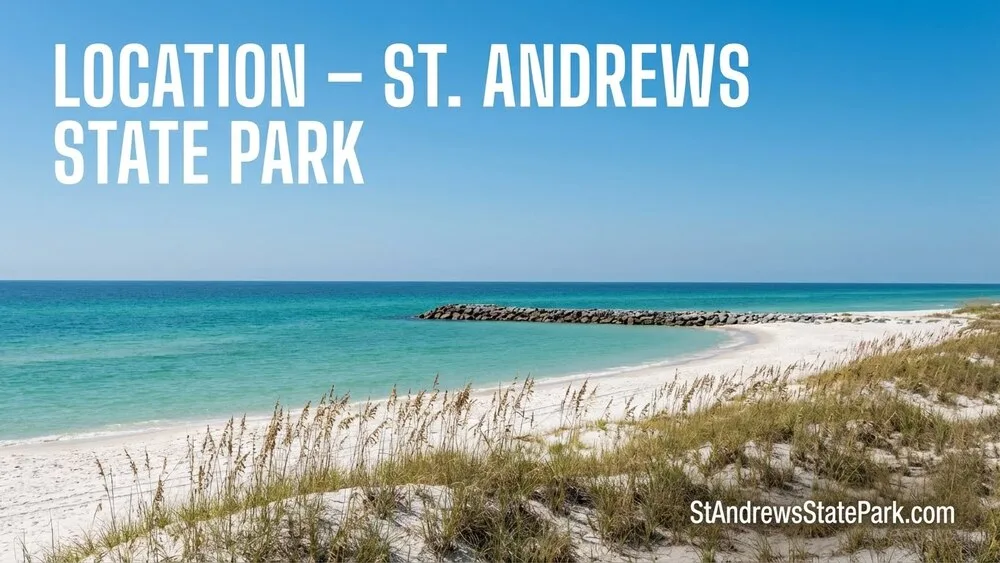
The park’s famous jetties form a rocky arm that shelters a small lagoon on one side while opening to the Gulf of Mexico on the other. On calmer days, this area can feel like a giant natural pool bordered by a wild ocean. Paddling here lets you combine kayaking, snorkeling and swimming in one compact zone.
Stay inside the more protected water if you’re with kids or newer paddlers, tracing the jetty rocks and sandy coves. When conditions allow and local warnings are favorable, more confident paddlers may nudge around the end of the rocks to sample the Gulf side, where gentle swells can make the kayak rise and fall like a slow-motion roller coaster.
- Keep a generous buffer from the rocks; wind and waves can drift boats faster than you expect.
- Use bright PFDs and paddles so you’re easy to see from shore and nearby boats.
- Pair this area with a long break on the sand—few things beat dragging a kayak onto a white beach for a lazy picnic.
Rentals, Launch Points And Access
Even if you don’t own a boat, you can still enjoy kayaking and canoeing at St. Andrews. The park and nearby outfitters make it quite straightforward to get on the water.
Inside the park, seasonal concessions typically offer single and tandem kayaks, sometimes alongside paddleboards and basic beach gear. These are usually close to key launch spots such as the boat ramp on Grand Lagoon or the jetty area, so it’s easy to rent, launch and start paddling without extra transport.
Many visitors also bring their own kayak or canoe. Hand-carrying your boat to the water from a parking area is a popular way to launch for lagoon and jetty sessions. If you plan to use the main concrete boat ramp with a trailer, be aware that additional launch fees can apply, so have your payment ready at the entrance or check current details before arriving.
- Common launch spots include the Grand Lagoon boat ramp, designated shoreline access near the campground, and sandy entries close to the jetties.
- Local outfitters outside the park boundaries may run kayak shuttles or rentals that pair nicely with Shell Island trips.
- Always confirm hours, prices and seasons ahead of time, as rental operations usually follow warm-weather and holiday demand.
What To Bring For A Comfortable Paddle
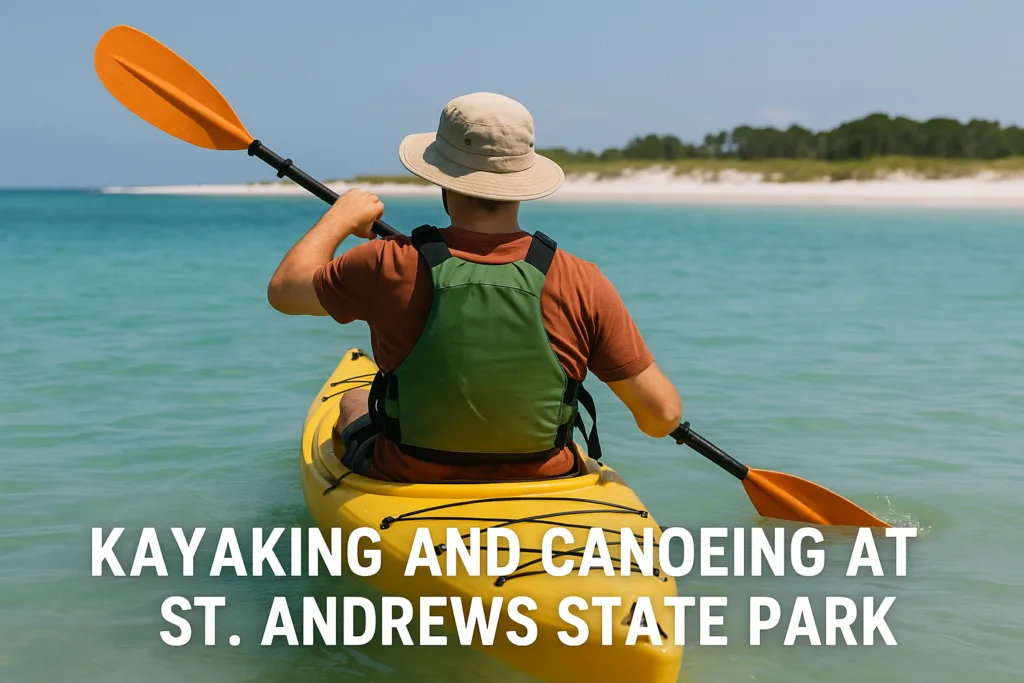
Paddling comfort at St. Andrews comes down to balancing sun protection, hydration and safety essentials. The sun can be strong even on cooler days, and the bright sand and water reflect light back toward you.
- A properly fitted U.S. Coast Guard–approved PFD for every paddler.
- Lightweight clothing that dries fast, plus a wide-brimmed hat and polarized sunglasses.
- Plenty of drinking water in reusable bottles and some salty snacks to keep your energy up.
- Waterproof or roll-top dry bags for phones, keys and a small first-aid kit.
- Simple navigation help such as a laminated park map or offline map app on a fully charged phone.
- A compact dry towel and a spare layer in case wind or clouds roll in.
For longer routes like the Shell Island crossing, add a basic tow line or throw rope, a whistle clipped to your PFD, and a small repair kit for seats or foot rests. These pieces are light but make a big difference if something breaks far from the launch.
Safety Tips And Water Awareness
The calm look of emerald water can be deceiving, so treating safety as part of the fun keeps everyone relaxed. Think in layers: weather, traffic, and your own group’s skills.
- Check the marine forecast and any park advisories before you leave the parking lot; wind direction and strength matter as much as temperature.
- Note beach warning flags and avoid paddling near areas with strong surf or rip currents, especially along the open Gulf.
- In the channel toward Shell Island, give commercial boats and ferries a wide berth and cross at a deliberate angle, not randomly.
- Keep your group tight when visibility lowers—fog, haze or low sun can make small boats hard to see.
- Respect wildlife: maintain space from dolphins, turtles and birds, and never chase or crowd them for a closer photo.
- Agree on simple hand signals (stop, come together, help) so you can communicate even when wind covers voices.
Ask yourself now and then, “If the wind doubled in the next ten minutes, would we still be comfortable here?” If the answer is no, it’s a good time to turn back or tuck into more sheltered water.
Sample Itineraries For Half-Day And Full-Day Trips
To make planning easier, here are a few simple ways to structure a kayaking or canoeing day at St. Andrews without overcomplicating things.
- Easy Morning Lagoon Paddle (1.5–2 hours)
Launch on Grand Lagoon just after sunrise, follow the shoreline toward the campground, and turn around when the group feels ready. Add a slow drift break in the middle so everyone can sip water and enjoy the reflections. - Jetty Exploration And Beach Time (3–4 hours)
Start near the jetties, paddle gentle laps inside the protected water, then park the boats on the sand for swimming and snacks. On calmer days, add a short peek around the jetty end to feel the Gulf swells. - Shell Island Adventure Day (4–6+ hours)
For experienced groups and good conditions only: cross the channel, land on Shell Island, walk the beach or dunes (staying on established paths where posted), enjoy lunch in the shade of your boat, then return with enough daylight to spare.
Frequently Asked Questions About Paddling Here
Do I need prior kayaking experience?
Not necessarily. The protected waters of Grand Lagoon are suitable for first-timers, especially if you stay near shore and pick a calm morning or evening. For the channel crossing to Shell Island or any Gulf-side paddling, prior experience and good swimming ability are strongly recommended.
Is canoeing practical, or is it mostly a kayak spot?
Both work. Many visitors favor sit-on-top kayaks because they’re easy to re-enter from the water and handle chop well. However, a well-trimmed canoe is excellent for Grand Lagoon tours and bayside marsh exploring, especially if you enjoy carrying a cooler or camera gear.
When is the best time of day to paddle?
Early mornings usually offer the lightest winds and the most wildlife activity, while late afternoons add gorgeous low-angle light over the dunes. Midday can still be enjoyable, but plan for extra sun protection and more boat traffic.
Can I combine paddling with fishing or snorkeling?
Yes. Many guests bring compact fishing setups for quiet corners of the lagoon or bay, and use their kayaks to reach favored snorkeling spots near the jetties. Just be sure to follow local fishing regulations and keep dive or snorkel gear tidy so it doesn’t tangle around paddles.
Quick Safety And Comfort Checklist
- PFDs on and buckled before leaving shore.
- Weather and marine forecast checked within the last few hours.
- Enough water and snacks for at least one extra hour beyond your plan.
- Map or clear mental picture of return routes in case wind shifts.
- Sun protection ready: sunscreen, hat, sunglasses and light layers.
- Group agreement on maximum distance and a simple “turn-around time.”
Sources For Planning Your Trip
For the latest details on rentals, park hours and any special advisories, it’s wise to double-check a few official and local resources before your visit.
- Florida State Parks – St. Andrews State Park: official information on facilities, natural features and current notices.
- Park Stores And Rentals Page: seasonal updates about on-site kayak and paddleboard rentals, camp store hours and services.
- Local Tourism And Visitor Guides: regional sites for Panama City Beach often list outfitters, shuttle options and paddling tours, which can help you compare choices.
- Recent Visitor Trip Reports: up-to-date perspectives on water clarity, wildlife sightings and how busy different areas of the park feel.
With a thoughtful plan, the right gear and a flexible mindset, kayaking and canoeing at St. Andrews State Park turns into more than just a day trip—it becomes one of those water memories you replay long after your boat is back on the trailer.