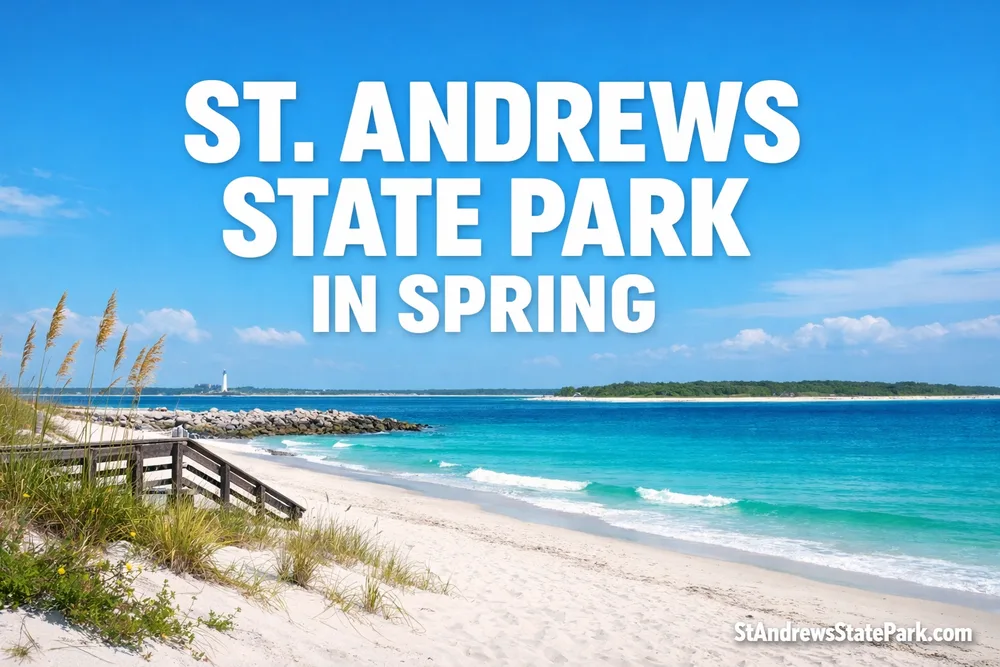
Spring at St. Andrews State Park feels like the coastline is waking up—calm one moment, bright and breezy the next. The air starts to soften, the light gets clearer, and those long walks on white-sand beaches become the kind you don’t rush. If you’re curious what spring really looks like here, think of it as a smooth handoff between quiet winter days and the lively rhythm of summer.
What Spring Changes
Spring is when the park’s mix of shorelines starts to show its range. You can have a mellow beach afternoon on the Gulf side, then pivot to the calmer waters near the Grand Lagoon without feeling like you left the park at all. The pace shifts too—families spread out, wildlife watching gets easier, and the trails feel more inviting before the hottest stretch of the year.
- Days tend to feel brighter and more comfortable for long beach time.
- Breezes are common, which can make the shoreline feel fresh and crisp.
- Water clarity can be excellent on the right day, especially around structured areas like the jetties.
Spring Snapshot By Month
This isn’t a rigid calendar—coastal weather has its own personality. Still, spring usually follows a simple pattern: cooler early on, warmer and more beach-forward as the season moves along. Want a quick mental picture without overthinking it?
| Month | Beach Feel | Water Feel | Nature Notes |
|---|---|---|---|
| March | Comfortable walks, breezier afternoons | Cooler, often best for quick dips | Bird activity starts ramping up |
| April | More “sit-and-stay” beach time | Warming up, mixed day to day | Trail time feels easy and pleasant |
| May | Longer swim days, livelier shoreline | Warmer and more inviting | Lagoon + jetties get extra attention |
Beaches And Swimming Areas
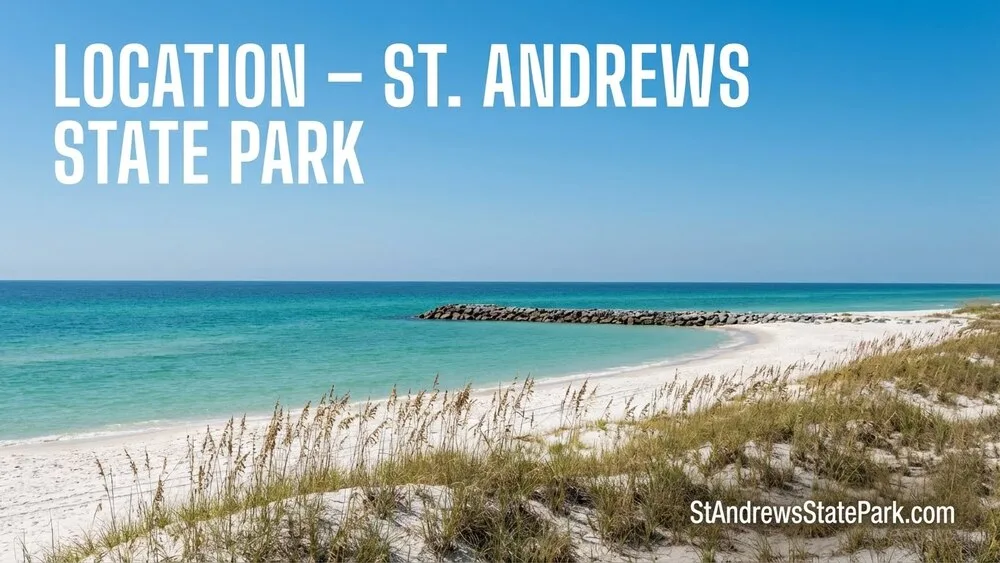
St. Andrews State Park is famous for giving you choices. The Gulf beach is the classic open shoreline—wide sand, big sky, and that “I could stay here for hours” feeling. Then there’s the more protected water near the rock formations people simply call the jetties. On gentler days, it can feel like the coast built a natural, kid-friendly bowl.
I like spring here because you don’t have to commit to one mood. Want a quiet towel-and-book afternoon? Easy. Want to watch swimmers and snorkelers near the jetties where the water changes color over the rocks? Also easy. The park is big on comfort, too—day-use areas are set up for real beach time, not just a quick stop.
Why The Jetties Feel Special
The rock jetty area is more than scenery. Those rocks create structure in the water, and structure attracts life. On clear days, you can spot fish moving like little flashes of chrome along the edges. It’s one of those places where a simple mask and snorkel can turn a regular beach day into a “Did you see that?” day.
- Shallow-to-deeper water transitions happen quickly near the rocks.
- Visibility can be surprisingly good when conditions line up.
- Stay within designated swim areas and follow posted guidance for a smooth experience.
Snorkeling In Spring
If you care about underwater time, spring is a smart season at St. Andrews State Park. The park’s snorkeling reputation centers on the rock jetty, where the shoreline feels more “reef-like” than you’d expect from an easy walk-in spot. Spring’s lighter crowds (compared to peak summer) can make the experience feel calmer, more focused.
You don’t need to overcomplicate it. A well-fitted mask, fins that don’t rub, and a little patience will do most of the work. If you’d rather travel light, the on-site concession rentals are a practical option in season, alongside beach gear and simple supplies.
Ever notice how the water looks different when the sun climbs higher in spring? It’s like someone quietly turned up the brightness.
Grand Lagoon And The Park’s Calm Side
The Grand Lagoon side is where St. Andrews State Park starts to feel like two parks in one. This is the launch point for boating and paddling, and it’s also where you’ll find key facilities like the boat ramp and fishing pier. On spring afternoons, the lagoon can look like glass—quiet water, soft ripples, and a horizon that feels close enough to touch.
On-Water Access
Spring is a sweet spot for canoes and kayaks here. The lagoon side gives you a more sheltered feel than the open beach, and it’s a natural place to slow down and look around. Rentals are often available through the park’s concession in season, alongside other simple gear.
Fishing Areas
Fishing is part of the park’s identity, and the setup makes it approachable. Between the fishing pier, shoreline spots, and jetty-adjacent areas, you can choose what fits your style. In spring, a breezy morning on the pier can feel like a reset button—simple, steady, and quietly satisfying.
Trails And Natural Areas
You don’t need a big hike to get real nature in St. Andrews State Park. Two short interpretive trails—Heron Pond and Gator Lake—bring you into the park’s inland side, where pines, scrub, and coastal plant communities tell a different story than the beach. In spring, these walks are especially pleasant: not too hot, not too buggy, and full of little details you’d miss in a rush.
Gator Lake is known for its interpretive trail and views across scrub and forest, including patches of Florida rosemary scrub. Heron Pond adds another angle, with signage that helps you notice what you’re looking at—perfect if you like learning while you walk, without it feeling like homework.
- Trail length is approachable for most visitors.
- Terrain is generally easy and well-suited to a relaxed pace.
- Spring light is great for spotting birds and reading the landscape.
Wildlife In Spring
Spring is when the park feels busy in the best way—full of motion, not noise. Birdlife is a highlight, and the park sits in a region where seasonal movement brings variety. Keep your eyes up near the dunes, then shift your gaze toward the waterline. You might catch dolphins offshore, or see birds working the wind like they own it.
Inland, the lakes and wooded edges can reveal classic Florida wildlife. The best approach is simple: enjoy the view, give animals space, and let the moment come to you. That’s when spring here really clicks—like you’re watching nature stretch and settle into the season.
Camping And Park Services
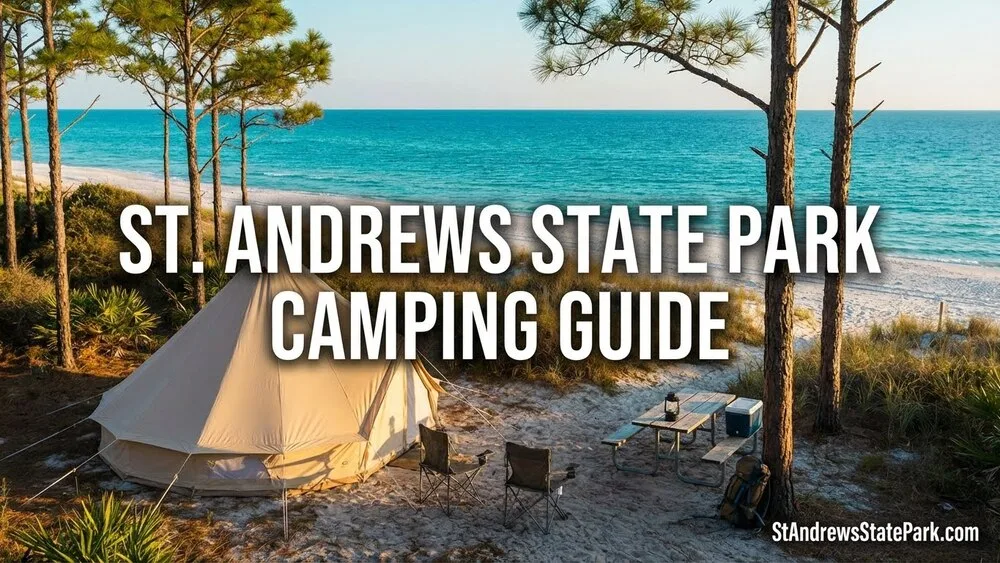
If you’re staying overnight, St. Andrews State Park is built for comfort. Campsites are set up with water, electric, and sewer connections, plus the basics you want close by. Units from tents to larger RVs are accommodated, and the campground sits conveniently near beaches, trails, and the lagoon-side facilities.
Spring also pairs well with the park’s concession services. Think snacks, small supplies, and seasonal rentals like chairs, umbrellas, snorkeling gear, and on-the-water options. It’s not fancy—just the kind of practical support that keeps a day outside feeling smooth.
Shell Island Access
One reason people circle back to St. Andrews State Park is how it connects to Shell Island. The park’s concessionaire handles rentals and also sells tickets for the Shell Island Shuttle. In spring, this can be a great way to add a different kind of beach scene—more open, more undeveloped, more “just sand and sea.”
Common Questions
Is spring a good time for snorkeling here?
Yes—spring often brings comfortable beach days, and the park’s rock jetty area is a standout snorkeling spot when conditions cooperate. It’s an easy-access place to see marine life without needing a long boat ride.
Where do people swim if they prefer calmer water?
Many visitors head toward the areas influenced by the jetties and the park’s protected waters near the Grand Lagoon. It’s a different feel than the open Gulf beach—often gentler and more relaxed.
Are there easy nature walks inside the park?
Yes. The Heron Pond and Gator Lake interpretive trails are short, approachable, and great for noticing the park’s inland ecosystems—pines, scrub, and lakeside viewpoints. In spring, they’re especially comfortable.
What services are usually available on-site?
The park includes facilities like a boat ramp and fishing pier, plus a concession area that can provide snacks, basic supplies, and (seasonally) rentals like chairs, umbrellas, and snorkeling gear.