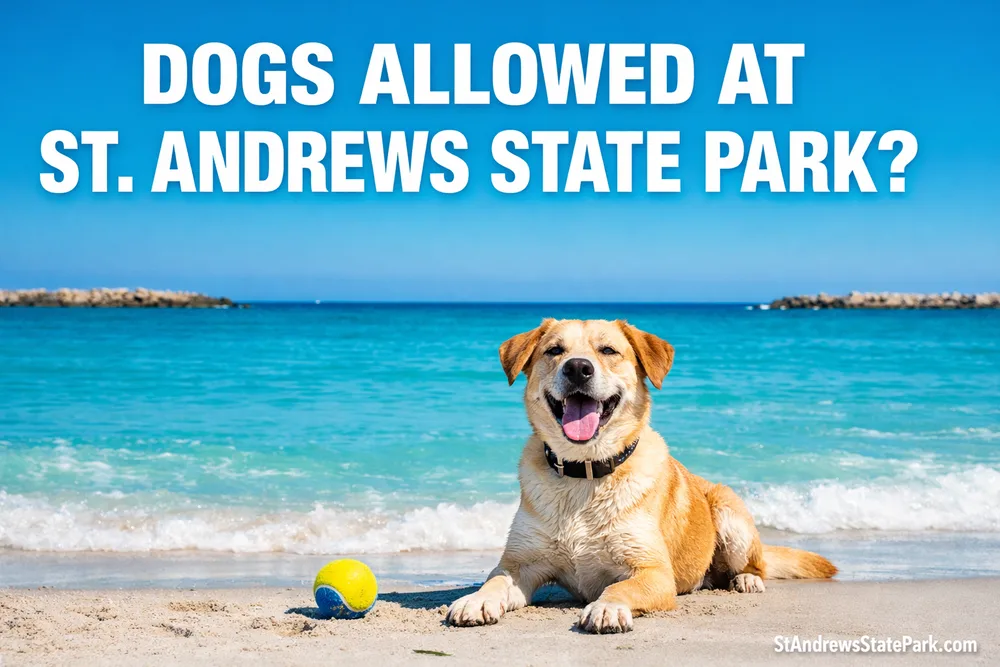
Yes—dogs are allowed at St. Andrews State Park in designated areas. Think of the park like a welcoming beach house with a few “no-paws” rooms: your pup can enjoy walks and campground time, while certain places stay pet-free to keep the day smooth for everyone.
Dog Rules At St. Andrews State Park
The simplest way to plan your visit is to remember this: pets are welcome where the park is set up for walking and spending time, and they stay out of areas built for swimming, play, and indoor use. Signs matter here—if a spot is marked pet-free, treat it like a closed door and keep exploring the many pet-friendly paths instead.
| Park Area | Pets | Service Animals | What This Means On The Ground |
|---|---|---|---|
| Campground Areas | Allowed | Allowed | Great for morning loops and relaxed evenings; keep your dog under control. |
| Picnic Areas | Allowed | Allowed | Perfect for a shaded break with water and a bowl; stay on walkways. |
| Many Trails And Paved Routes | Allowed | Allowed | Best choice for a scenic stroll; follow posted trail guidance. |
| Swimming Beaches | Not Allowed | Allowed | These areas are kept pet-free; choose trails for dog time. |
| Boardwalks, Buildings, And Play Areas | Not Allowed | Allowed | Indoor spaces and certain access points are typically pet-free; look for posted signs. |
Where Dogs Can Go
Want your dog to enjoy the park without guesswork? Aim for campground loops, picnic zones, and the walking and biking routes. These places are designed for steady foot traffic, which makes them feel naturally dog-friendly when you keep your pup close and calm.
- Campgrounds and the immediate campground roads for easy morning walks
- Picnic areas where you can sit, snack, and take a shaded break
- Many trails and paved routes where leashed pets can enjoy fresh air and steady scenery
- Parking and transition areas where you can regroup and move toward a pet-approved path
Areas Kept Pet Free
Some spaces at St. Andrews are intentionally reserved for swimming and indoor use, so pets sit those out. It’s less about “no” and more about keeping certain zones simple and predictable—especially around busy beach access and public facilities.
- Swimming beaches and bathing areas (choose trails for dog time instead)
- Most buildings and indoor facilities (exceptions apply for service animals)
- Playground areas and similar spaces built for kid-focused play
- Posted no-pet zones like certain boardwalk segments or sensitive natural areas
Small but important detail: even within “allowed” areas, the park may keep certain access points pet-free based on layout and crowd flow. If you see a sign or gate marked No Pets, pivot to a nearby trail or picnic route.
Leash Rules And Good Manners
Florida State Parks generally require pets to be on a hand-held leash no longer than six feet and to remain well-behaved at all times. That one rule shapes everything: it protects wildlife, keeps trails comfortable, and makes your dog’s visit feel easygoing instead of stressful.
What Park Staff Expect
- Leash in hand, not trailing loose, with steady control
- Pick up waste and place it in a bin—keep the park clean
- No chasing wildlife; redirect with calm voice and short leash handling
- Respect other visitors by giving space on narrow trail sections
Why The Leash Limit Matters
A long leash turns into a tripwire on busy paths and a temptation near dunes. A six-foot leash keeps your dog close enough to respond quickly, which helps the park stay peaceful, safe, and welcoming for everyone sharing the same trail.
Service Animals And Support Animals
Florida State Parks welcome service animals in all areas of the parks. A service animal is trained to perform tasks for a person with a disability, while a support animal (like an emotional support pet) does not have the same public-access role. If you’re visiting with a service animal, you can expect broad access; if you’re visiting with a pet, stick to designated areas.
Helpful wording to remember: “My dog is a service animal trained to do a specific task.” Clear, calm language keeps check-in moments smooth and avoids awkward back-and-forth.
Camping With Dogs
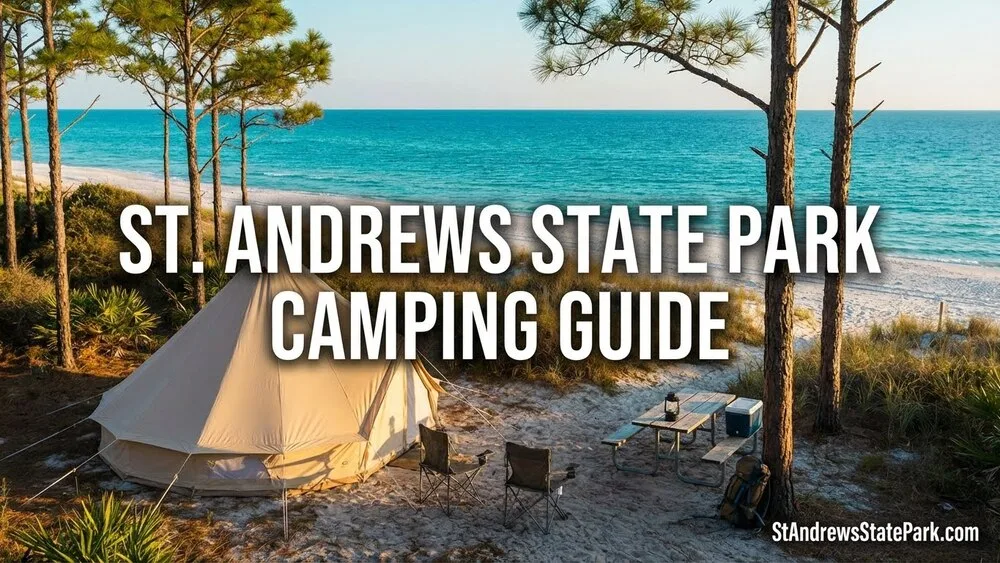
If you’re staying overnight, the campground is one of the best places for dog-friendly routine: easy routes for a quick walk, familiar loops, and plenty of moments for quiet sniffing. Keep your dog leashed outside your site, and plan for cooler walking hours when the day warms up.
Bring enough water for both of you, plus a small towel—coastal air can feel like a soft blanket, and your dog may appreciate a quick wipe after a sandy path. A simple routine works best: short walks, steady shade breaks, and calm transitions between the campground and trail areas.
Comfort And Safety In Coastal Weather
Even on a pleasant day, coastal surfaces can surprise you. Sand, asphalt, and boardwalk-adjacent paths can heat up fast, so favor early or late walks and look for shaded routes. If the ground feels hot to your hand, it’s a cue to slow down and choose a cooler surface or take a shade break.
Hydration is the quiet hero of a good visit. Offer small sips often, especially after excitement on the trail. A calm, steady pace helps your dog enjoy the park the way it’s meant to be enjoyed—unhurried, curious, and comfortable from start to finish.
Common Questions
Can my dog go on the main swimming beach? Pets generally stay out of swimming beach areas here. Choose trails, picnic zones, and campground walks for a great visit with your dog, and treat beach access points marked pet-free as off-limits.
Do I need a special leash? You don’t need anything fancy—just a hand-held leash that stays within the six-foot limit. Retractables can be tricky in crowds, so a standard leash often feels more predictable and easier to manage.
Are service animals treated differently than pets? Yes. Service animals are welcome across park areas because they perform trained tasks. Pets follow designated-area rules. Keeping that distinction clear makes your day smoother and keeps expectations straightforward.